
Build a Multilingual Chat App Using a Translation API
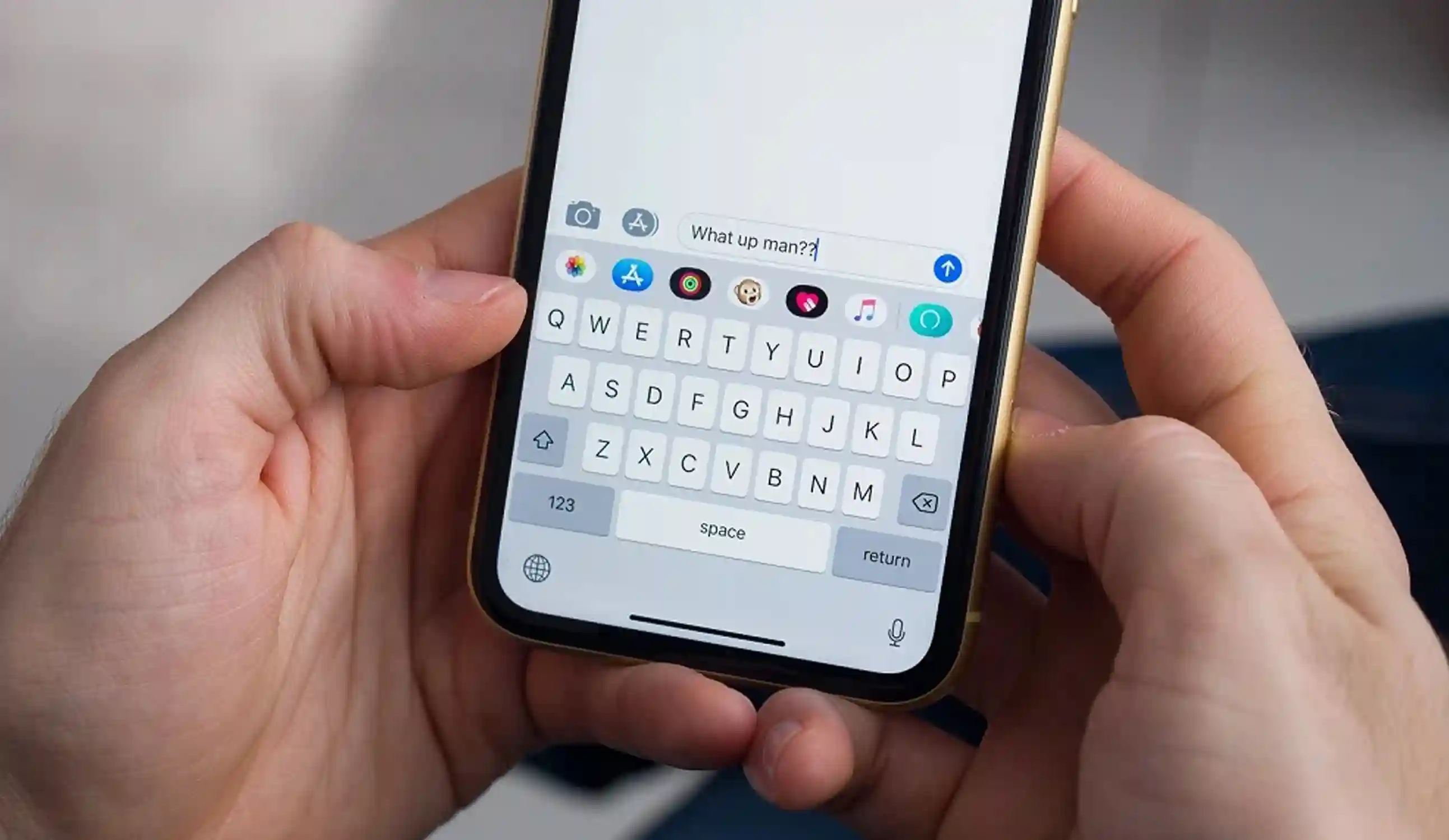
Modern messaging platforms connect users from all over the world. Whether you're building a customer support chat, a gaming community, or a global collaboration tool, language differences can quickly become a barrier.
Apps like WhatsApp, Slack, and Discord are used globally, which means multilingual communication is essential. One of the easiest ways to solve this problem is by integrating a translation API that automatically translates messages in real time.
In this guide, you'll learn how to build a multilingual chat application using a translation API, how real-time translation works, and how request-based pricing models make it affordable to scale globally.
Why Chat Apps Need Real-Time Translation
If your chat platform supports users from multiple countries, translation becomes a key feature.
Common use cases include:
- international gaming communities
- global customer support chats
- multilingual social platforms
- marketplace messaging between buyers and sellers
- remote team collaboration tools
Without translation, conversations quickly break down between users speaking different languages.
Real-time translation allows your application to:
- automatically translate messages
- display localized conversations
- support hundreds of languages
- improve accessibility for global users
How Translation APIs Work in Chat Applications
A translation API works by sending text from your application to a translation service and receiving the translated result instantly.
The typical workflow looks like this:
- User sends a message
- Chat server receives the text
- Message is sent to the translation API
- API returns translated text
- Translated message is displayed to the recipient
Example:
User A: Hello, how are you?
Language: English
API translation →
User B sees: Hola, ¿cómo estás?
Language: Spanish
This process usually takes milliseconds, allowing real-time conversations across languages. If you need automatic language detection, pair message translation with a language detection API.
Key Features Required for a Multilingual Chat App
When selecting a translation API for messaging applications, developers should consider:
1. Real-time performance
Chat systems require extremely fast responses to avoid breaking conversation flow.
2. High request limits
Chat apps generate large volumes of messages; the API should handle high throughput.
3. Multiple language support
A good translation API should support 100+ languages to ensure global compatibility.
4. Predictable pricing
Messaging workloads fluctuate. Predictable pricing helps you forecast costs and avoid surprises as you scale.
Character-Based vs Request-Based Pricing
Many translation services charge per million characters translated. While that can work for steady workloads, it becomes harder to estimate costs for chat systems where message volume fluctuates.
TranslatePlus uses a request-based model: developers pay per API request instead of per character. For chat apps, where messages are usually short, request-based pricing can be easier to reason about.
Benefits include:
- predictable monthly costs
- simpler scaling for chat applications
- no surprise billing spikes
- optimized for short message translation
For plans and limits, see TranslatePlus pricing.
Example: Chat Translation Cost Comparison
Chat messages are typically short, often under 100–200 characters.
Example scenario:
- 10,000 users
- 50 messages per day each
Total messages: 500,000 translations per day.
With character-based pricing, cost grows with every character. With request-based pricing, each message counts as one request, which can make it easier to estimate monthly infrastructure costs.
Example Chat Translation Workflow
Below is a simplified implementation workflow for adding translation to a chat application.
Step 1 — Capture user message
Step 2 — Send message to translation API
POST /translate

{
  "text": "Hello, how are you?",
  "source": "en",
  "target": "es"
}
Step 3 — Receive translated response
{
  "translated_text": "Hola, ¿cómo estás?"
}
Step 4 — Display translated message
Your chat UI displays the translated message for the recipient.
Best Practices for Multilingual Chat Systems
Detect user language automatically
Use language detection to identify the user's preferred language and translate messages accordingly.
Cache frequently translated messages
Caching reduces translation API usage for repeated messages.
Translate only when necessary
Avoid translating messages if both users speak the same language.
Handle emojis and formatting
Chat messages often include emojis, links, or markdown. Ensure these elements remain intact during translation.
Example Use Cases
Customer support chat
Businesses can provide multilingual support without hiring agents for every language.
Global gaming communities
Players from different countries can communicate during gameplay.
Social messaging apps
Users can chat with anyone regardless of language.
Marketplace platforms
Buyers and sellers can communicate across borders.
Scaling Translation for Large Chat Apps
High-traffic messaging platforms require translation APIs capable of handling massive request volumes.
For example, a chat application with:
- 1 million users
- 30 messages per user per day
would generate: 30 million translation requests daily.
This is why request-based translation APIs with high request-per-second limits are a good fit for chat applications.
Why Developers Use TranslatePlus for Chat Apps
TranslatePlus is designed for applications that require high-volume real-time translation.
Key advantages include:
- request-based pricing
- predictable monthly plans
- support for 100+ languages
- high request-per-second limits
- simple API integration
Because chat messages are usually short, request-based pricing can be significantly more cost-efficient for messaging platforms.
Final Thoughts
Building a multilingual chat application no longer requires complex infrastructure. By integrating a modern translation API, developers can enable global communication instantly.
Real-time translation removes language barriers and allows chat platforms to scale internationally. Whether you're building a customer support system, social messaging platform, or gaming community, adding multilingual support can dramatically improve user engagement and accessibility.
With the right translation API, your chat application can support conversations between users anywhere in the world.